


Garage Storage Hacks to Keep Materials Project Ready
Smart garage organization tips aren't just about saving space — they help keep your materials project-ready. Many DIYers treat the garage like a mini warehouse, but most building materials aren't meant for uncontrolled environments. Heat, humidity, and poor storage can quietly cause damage before a project even begins. The result? Warped boards, compromised roofing materials, and tools that don't perform-making it important to understand why garages can be tough on your supplies.
Why Garages Are Tough on Building Materials
Garages create a challenging environment for building materials, especially when conditions aren't controlled. Several factors work together to speed up wear and damage:
- Heat cycles: Temperatures can spike during the day and drop at night, causing materials to expand and contract.
- Humidity: Moist air leads to swelling, warping, and corrosion over time.
- Moisture transfer: Concrete floors release moisture, which seeps into lumber, bags of cement, and boxed materials.
- Poor airflow: Limited ventilation traps heat and dampness, making conditions worse.
Over time, these factors can quietly reduce the strength, shape, and performance of your materials before you ever start your project.
Lumber and Trim: Warping Starts in Storage
Lumber might look solid and stable, but it's highly sensitive to how and where it's stored. In a garage environment, even small imbalances can lead to noticeable damage.
- Moisture absorption: Concrete floors release moisture that seeps into boards from below.
- Uneven airflow: One side of a board drying faster than the other leads to bowing, cupping, and twisting.
- Trim and moulding: These thinner, more finished pieces react faster than framing lumber and can deform quickly.
- Doors and sheet goods: Materials like plywood and MDF are especially prone to sagging, swelling, and warping in unstable conditions.
Garage storage hacks to protect lumber:
- Store materials elevated on racks or spacers (stickers)
- Keep boards flat, level, and fully supported
- Avoid leaning lumber against walls for long periods
Taking a few extra steps during storage can make the difference between materials that are ready to use—and ones you have to replace.
Roofing Materials Don't Like Garage Heat
Roofing materials are especially vulnerable to high temperatures, making garages a risky place to store them for any length of time.
- Shingles can soften and deform when exposed to excessive heat.
- Adhesive strips may activate too early, reducing their effectiveness during installation.
- Underlayment can wrinkle or break down, affecting its ability to protect your roof.
Best practices for storage:
- Keep materials in a shaded, well-ventilated area.
- Store bundles flat to maintain their shape.
- Avoid stacking too high, which can add pressure and cause distortion.
Proper storage helps ensure your roofing materials perform the way they're designed to when it's time to install them.
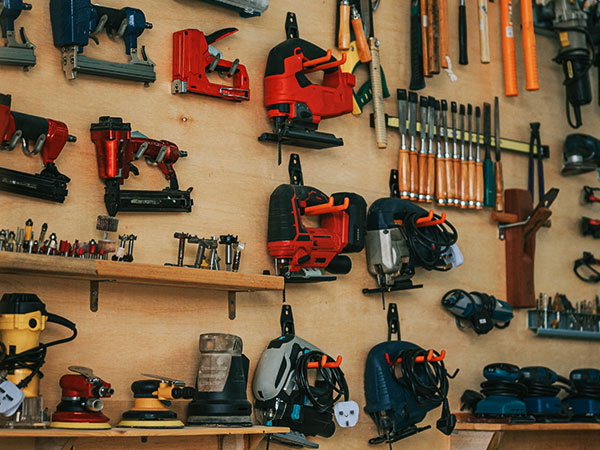
Power Tools: Organization vs. Protection
When it comes to power tools, organization is only half the battle—proper storage is what keeps them working like they should. It's not just about where tools go, but how well they're protected between uses.
Common risks in garage storage:
- Humidity leads to rust, especially on metal components and blades.
- Dust buildup can clog vents and affect performance over time.
- Heat exposure shortens battery life and reduces charge capacity.
Garage organization tips that protect your tools:
- Use wall-mounted storage to keep tools off the floor and away from moisture.
- Store precision tools in sealed cabinets to limit dust exposure.
- Keep batteries and chargers indoors in a climate-controlled space.
A well-organized setup should do more than look good-it should help your tools last longer and perform when you need them.
Cement, Mortar, and Bagged Materials
Bagged materials might seem durable, but they're highly sensitive to moisture-even small amounts can ruin them before you ever open the bag.
Common storage problems:
- Moisture from concrete floors can seep in and harden bags from the bottom up.
- Partial curing reduces strength and leads to poor mixing and performance.
Best storage practices:
- Keep bags on raised pallets or shelving, never directly on the floor.
- Store in a dry, enclosed space or sealed containers.
- Use a first-in, first-out system to avoid letting materials sit too long.
Proper storage ensures your materials stay usable and perform as expected when it's time to get to work.
Fasteners, Hardware, and Adhesives
Small items are easy to overlook, but poor storage can lead to big frustrations when it's time to use them.
Common issues in garage storage:
- Humidity causes corrosion, leading to rusted fasteners and weakened hardware.
- Heat breaks down adhesives, reducing their bonding strength.
- Caulk and sealants can cure prematurely, making them unusable.
Keeping these materials organized and protected helps ensure they're ready to perform when your project depends on them.
Smart garage organization tips go beyond clearing space-they help protect the materials and tools you rely on for every project. By storing items properly and keeping sensitive materials out of harsh garage conditions, you can avoid unnecessary waste, save money, and get better results from your work.
For the right storage solutions, racks, shelving, and project-ready materials, visit your local McCoy's Building Supply to keep your garage organized and your supplies in top shape.