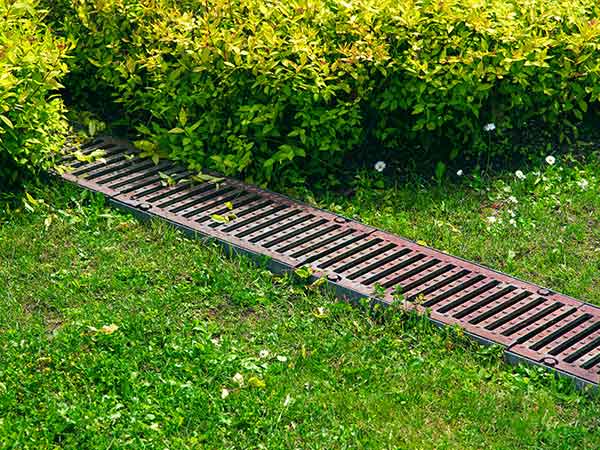
7 Solutions to Fix Yard Drainage Issues Quickly
A well-manicured yard gives your home true curb appeal, but if you have yard drainage issues, you can end up with a swamp instead of a yard. This can lead to topsoil erosion, mold, mosquito problems, and foundation issues, among other things. Who wants that?
The trick is to spot drainage issues quickly, so you can address them and avoid any of these problems. The good news is that most of these problems don't require professional help, just some effort on your part. Let's look at some common signs and how to fix yard drainage issues in your yard!
Signs of Drainage Issues
Poor drainage is often an indicator of an underlying issue that can typically be easily addressed. So regularly survey your yard for warning signs to avoid a bigger problem. Here are some signs to be aware of:
- Standing water (after rain) can cause trouble in your yard. You might notice puddles in low spots in your yard that remain after it stops raining, water around the foundation, or near a downspout. These are all red flags that water isn't flowing away from your home. This can lead to foundation problems and oversaturated grass that eventually dies.
- Soil erosion (or bare spots) is most likely the result of excess water, which can prevent grass from growing, cut grooves in the soil, and even wash away mulch. This is from water that's flooding your yard instead of being drained or redirected. Soil erosion can be a costly problem that leads to damaged walkways, patios, and foundation issues.
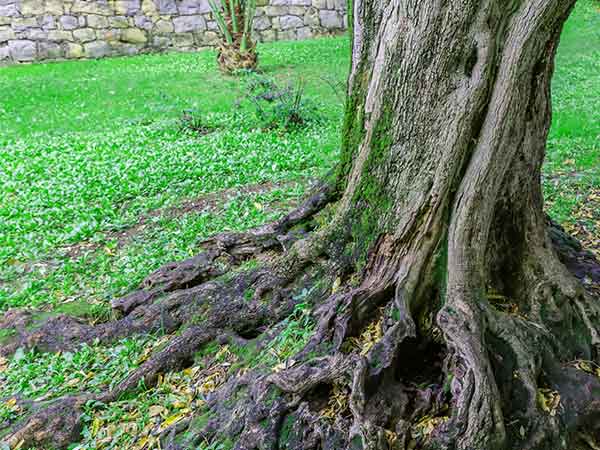
- Exposed tree roots can also be a sign of an issue that needs your attention. If you notice exposed tree roots, particularly on the downward slope of your yard, you can bet that excess water is to blame. This can lead to instability in trees and cause stress or disease. These roots are also a tripping hazard and a hindrance when you're trying to mow.
- Mosquitoes (when it hasn't rained) should get your attention! There's most likely water somewhere, usually in a shallow area of your yard, that didn't drain correctly. Mosquitoes love water, they carry disease, and they make sitting on the patio torture instead of leisure.
- Paint damage on your home can be the result of standing water. The paint may be peeling, streaking, or discolored from moisture. This is caused by water repeatedly splashing against the exterior walls of your home.
- Mold and mildew growth can be the result of water around your home. If you notice discoloration in the form of dark spots on the foundation or exterior surface of your home, it's probably mold. It's also accompanied by a musty smell. This issue indicates that water is accumulating near your foundation. Mold damages any surface it's on and can affect indoor air quality, leading to health issues.
7 Solutions to Fix Yard Drainage Issues
Here are seven solutions to fix most yard drainage issues on your own. Of course, if you find you need help, you can call in a professional.
-
Dump in more dirt!
It's that simple. If you notice an area in your yard that is shallow, you can add more soil and then reseed the area to encourage further grass growth. Just having a yard full of water-loving grass helps with drainage. Also, check all the dirt in your yard and make sure to aerate the compacted soil as well. Make sure your soil slopes away from your home. The rule of thumb is that your yard should drop one inch for every ten feet away from your house.
If it doesn't, you can add a little dirt around your house, but keep four inches of your foundation above the soil. Remember, this includes garden beds that should be properly graded away from the foundation of your home. If you find this job too big, hire a professional to help fix the entire slope of your lawn and create an incline near your house, allowing gravity to do its work in your yard's water drainage.
-
Add a French Drain
A French drain is a series of pipes buried in your yard that channels water ideally to a storm drain, but you can direct it to any point you need. It's more labor intensive, but it can effectively solve a bigger water drainage issue. Here's how you install a French drain:
- Determine the location of your drain. It should be at least ten feet away from your home or septic system, if you have one.
- Use a shovel or trenching machine to dig an 18-inch-wide and 24-inch-deep trench that slopes downward by one inch per ten feet.
- Place landscaping fabric in the trench to keep tree roots from growing into the pipes.
- Next, pour gravel around the pipes.
- Finally, cover the trench with soil and sod or new grass seed.
-
Stop Watering
Make sure you aren't overwatering your yard if you have drainage problems that you can't determine the cause of. Water less and see if that solves the problem. It could be that your water drainage is working well, but it just can't keep up with how much you're watering. (You may want to check that your sprinkler system is not overwatering or that your septic tanks are not flooded.)
-
Hardscape with gravel
You can hardscape with any sort of river rock, granite, or pea gravel which allows water to flow easily. This might help with erosion too. If you have water pooling in walkways, you probably need a different material like gravel in between pavers in those areas.
-
Check your gutters
Gutter downspouts might be the cause. If your downspouts are too short, water can pool at the end of the drain. There are a few solutions for this. You can adjust the downspout to face another direction, add gravel at the base, add an extension, and clean out your gutters. While you're at it, you can check that your gutters are properly attached to your roofline, so they are not leaking.
-
Add rain barrels or catch basins
A rain barrel collects the rain water that runs off your roof through your gutters and downspout. The benefit is that you can use the water for your lawn or garden, which cuts down on your water bill and conserves water. It can help with drainage issues— especially when it pours cats and dogs. You can also install a catch basin, which is part of a stormwater drainage system, to filter debris out of the water in your yard, which allows the water to flow more easily into a storm drain.
-
Create a rain garden
A rain garden can mitigate drainage issues while also providing an appealing water feature to your yard. You can create one by digging a shallow area in your yard that doesn't drain well, and plant a variety of flowers and grasses that thrive in and near water. It will remain dry when there is little to no rain, but will fill with water in the rainy seasons, and look like a small, decorative pond.
If you notice one of these seven signs, it's worth investigating, and if you notice several, you probably have a drainage issue that needs fixing sooner rather than later. We have all you need to fix up your lawn for spring storms, so April showers bring May flowers rather than marshlands.