


Ant Control Made Simple: How to Get Rid of Ants
Knowing how to get rid of ants starts with finding where they're coming from and using the right treatments indoors and out. This guide covers simple ways to eliminate ants and keep them from coming back. Even better, with our subscription service, you can schedule ant control products (and anything else you may need) to be delivered automatically on the timeline that works for you, so staying ahead of ants becomes one less thing to remember.
Why Ants Come into Your Home
Ants search for food, water, and shelter, and they are good at it. Sometimes that means they invade your pantry or other areas inside your home. Once a few ants come in, more are sure to follow as they leave a scent trail for the rest of the colony. That's why it's important to stay on top of cleaning and getting rid of ants as soon as you see signs of them.
Searching for Food and Water
Ants often come inside looking for food or moisture. Even small crumbs or damp areas can attract them.
- Crumbs on counters or floors
- Open pantry foods like sugar, cereal, or snacks
- Pet food left out
- Trash cans that aren't tightly sealed
- Leaky pipes, sinks, or damp areas under appliances
- Houseplants or drip trays
Some ants prefer sweets, while others are drawn to grease or protein, which is why they often show up in kitchens, pantries, or near water sources.
Changes in Weather
Weather plays a big role in ant activity. Heavy rain can flood underground nests, forcing ants to move to higher ground&emdash;sometimes inside your home. On the other hand, hot and dry weather can push ants indoors in search of water.
Easy Entry Points
Ants are incredibly small and can enter through openings you might not even notice.
- Cracks around windows and doors
- Gaps around plumbing or utility lines
- Small openings in siding or foundations
Once ants find a way in, they'll continue using the same route until the colony is removed or the entry point is sealed.
Signs You May Have an Ant Problem
If ants are already making themselves at home, you might notice:
- Trails of ants along baseboards or countertops
- Ants gathering around crumbs or food spills
- Small piles of sawdust-like material (called frass) near wood
- Ant mounds or hills in the yard near your home
The sooner you spot these signs, the easier it is to stop the problem before the colony grows larger.
Identifying the Type of Ants You Have
Not all ants behave the same, so identifying the type can help guide treatment.
Common ants homeowners see include:
- Fire ants – Outdoor ants that build mounds and can deliver painful stings.
- Carpenter ants – Larger ants that nest in wood and may leave behind sawdust-like debris (frass).
- Sugar ants or small black ants – Tiny ants often found in kitchens and pantries looking for sweets.
Even if you're not sure of the species, noticing where ants appear and what they're attracted to can help determine the best way to control them.
Indoor Ant Control Options
When ants are already inside your home, the goal is to eliminate the colony—not just the ants you can see. A combination of treatments often works best.
Ant Baits
Baits are one of the most effective tools for indoor ant control. Worker ants carry the bait back to the colony, helping eliminate ants at the source.
Types of bait include:
- Carbohydrate-based baits for ants attracted to sweets
- Protein or grease baits for other species
Place bait stations near activity areas but not directly in the ant trail, such as:
- Under sinks
- Behind appliances
- Along baseboards
- Inside cabinets
Ant Sprays
Sprays provide quick control of ants you can see. There are two main types:
- Repellent sprays create a barrier that keeps ants away from treated areas
- Non-repellent sprays allow ants to carry the treatment back to the colony
Sprays can be helpful for immediate control but are often most effective when combined with bait.
Dust and Powders
Dusts and powders are useful for treating areas where sprays or baits may be difficult to place.
They work well in:
- Cracks and crevices
- Wall voids
- Around entry points near windows or doors
These products help target ants where they hide and travel.
DIY and Other Natural Options
Some homeowners try DIY solutions first. These methods can reduce ant activity but usually won't eliminate the entire colony.
Common options include:
- Diatomaceous earth – A powder that damages insects' outer shells; works best in dry areas.
- Borax bait mixtures – Often mixed with sugar to attract ants, which carry it back to the colony.
- Household deterrents – Vinegar, citrus oils, or cinnamon may disrupt ant trails temporarily.
While these methods can help with small problems, larger or recurring infestations often require targeted products like baits, sprays, dusts, or granules.
Outdoor Ant Problems: Signs to Look For
If ants keep showing up inside your home, the source is often outside. Many ant colonies build nests in lawns, landscaping beds, or along your home's foundation and send worker ants indoors to search for food and water.
Common signs of outdoor ant activity include:
- Ant mounds or hills in the lawn or garden beds
- Small piles of loose soil around cracks in driveways, sidewalks, or patios
- Ant trails along foundations, fences, or landscaping edges
- Increased ant activity after rain, when colonies relocate or expand
In many Southern yards, one of the most noticeable signs is a fire ant mound, which can appear quickly and grow large in a short amount of time.
Outdoor Ant Control Options
Outdoor treatments focus on eliminating colonies and creating a barrier around your home to prevent ants from moving indoors.
Granular Ant Killers
Granules are commonly applied across lawns or around the perimeter of a home.
They work by:
- Attracting ants that carry the product back to the colony
- Treating larger areas where nests may not be visible
- Helping reduce colonies before they spread
Granules are often spread across the yard using a handheld or broadcast spreader and may need watering in after application.
Ant Baits
Outdoor ant baits are designed to attract foraging ants and allow them to transport the bait back to the nest.
These are helpful for:
- Large yard areas
- Colonies that may not be visible
- Long-term colony control
Mounted Treatments
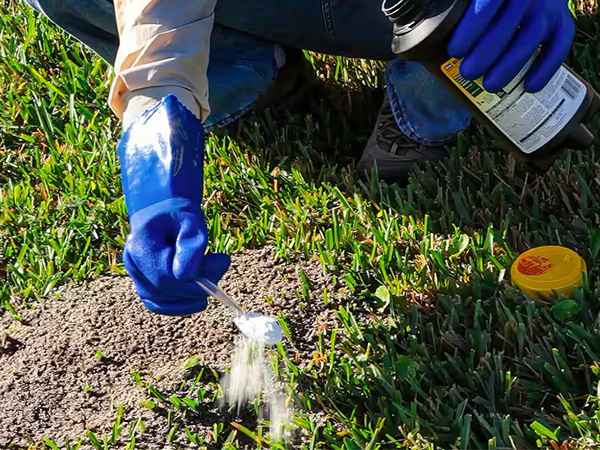
If you can see specific ant mounds, direct mound treatments can help eliminate the colony more quickly.
Common approaches include:
- Liquid drenches applied directly to the mound
- Granular mound treatments
- Bait placed around active mounds
How to Get Rid of Fire Ants
For fire ants, many experts recommend the two-step method:
- Apply bait across the yard to target hidden colonies
- Treat individual mounds with a mound drench if needed
A common treatment is to pour boiling water over the mound. However, this method is not effective at killing the queen and can be dangerous.
Stay Ahead of Ants with Regular Treatments
One of the biggest challenges with outdoor ants is that new colonies can appear throughout the year, especially in warm climates. Even if you eliminate one mound, others can form nearby. That's why many homeowners find success with routine ant treatments applied every few months to maintain a protective barrier around their home and yard.
Instead of trying to remember when it's time to reapply ant control products, McCoy's makes it easy with a subscription service that delivers ant control products right to your door.