


What Your Drywall Contractor Needs to Know
Drywall cannot be an afterthought. Prepare your jobsite for your drywall hangers and finishers by knowing what to look for in a good crew, understanding the different level of finishes needed, and giving the subcontractors a jobsite that is set up for success. Whether you are a general contractor looking to call in a drywall sub or a homeowner redoing a room, here’s how you can help the process go as smoothly as possible.
Set Up Your Jobsite for Success
Is your jobsite cluttered? Maybe you have extra materials stored in a soon-to-be closet or you scheduled a few subs on the same day. It’s important to give your drywall hangers and/or finishers the room they need to carry in and hang heavy drywall sheets. This means keeping the site clean and free of any obstacles and letting them have the jobsite without any trades in the way. If your drywallers don’t have the room to work, they could potentially leave and come back when the jobsite is cleared, costing more time and money.
A rough inspection should be completed before drywall is hung. If drywall is completed before a rough inspection, the inspector won’t be able to see anything behind the drywall and would have to cut into the drywall to take a look. This costs more time and money.
Lastly, ensure your jobsite is at a proper temperature and humidity level. The inside temperature should be, ideally, between 65˚ and 75˚ for optimal drying of mud/joint compound. A temperature below 55˚ inside the jobsite is typically a no-go as it will slow down drying time or not dry properly. This is the same for any temperature above 75˚ inside as a faster drying time could shrink the mud faster and cause shrinking problems. If your jobsite is humid, a dehumidifier will help keep the drywall mud from being too wet and taking longer to dry. If you have any questions about what is best in your area, reach out to your drywall crew before they arrive.
What to Look for in a Good Drywall Crew
How do you find a good fit for your project? Here are several things to look for:
- The crew minimizes the number of joints by strategic board placement. Less joints mean less work for them and the finishers.
- They know where to correctly break the boards and know when to hang them vertically and when to hang horizontally. This makes the finish easier.
- They set their screws correctly. A popped screw every now and then can happen, but incorrectly set screws will slow down the drywall finisher’s job costing time and money.
- They plan to do a walkthrough with you (the contractor or homeowner) before the project, before taping and floating, and after they finish to discuss any questions or areas of concern.
- They include a one-year walkthrough that guarantees any issues that arise will be fixed.
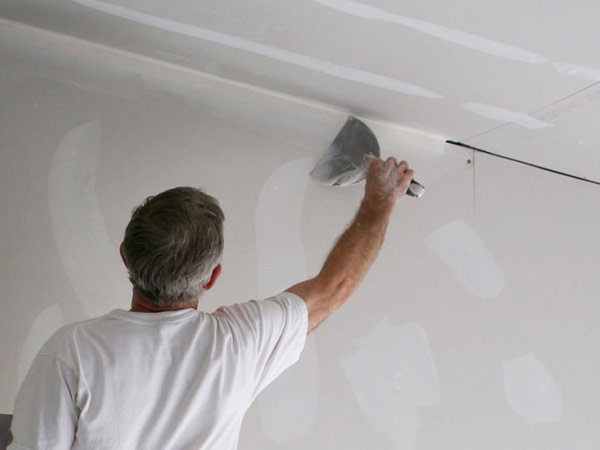
What Your Drywall Finisher Needs to Know
One of the most important things for your drywaller to know is the level of finish each room or area of the house requires. It’s also important to explain the different levels to the homeowners if you are a contractor.
- Drywall Finish Levels:
Level 1: The drywall has been taped with joint compound on the seams. This is the lowest possible level.
Level 2: A thin coat of joint compound covers the top of the tape and coats the drywall screw holes. This is most typical for garages.
Level 3: A thicker or second coat of joint compound covers the tape and screws. This is the level where wall texture usually is added. Most jobs stop at this level.
Level 4: A third coat of compound is added to tape and screws and then sanded down. This level is great for darker paints or any wallpaper.
Level 5: A skim coat of joint compound is added to the wall. This is for darker colors, or very glossy paint.
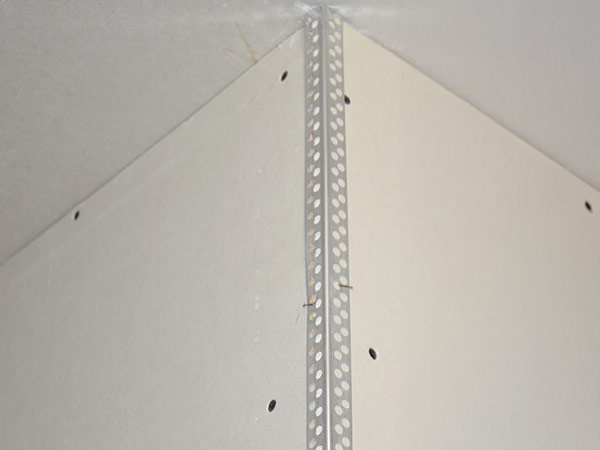
- Let your drywaller know what type of corner beads you prefer or ask what they will be using. Types of corner beads include:
- Metal- A popular and durable option that’s easy to install but is more pricy than other options. If there is some framing that is slightly off, your drywaller may be able to fix it with metal corner beads.
- Vinyl- These are typically cheaper than metal. They still have durability and flexibility for unique corners. There are many different types of vinyl options including some with both metal and paper.
- Paper- Paper-faced beads don’t require fasteners and are secured with joint compound.
- It’s important for the drywall finisher to know where there will be any glossy or dark paint. This will help to determine the level of finish, so the paint looks good.
- You’ll also need to give the base trim height and a fundamental cabinet layout. This will help the hangers know where to break boards and where seams should go.
Hiring a drywall crew means you can take the next step in your build whether you’re a contractor or a serious DIYer. Before you begin, set them and your home up for success. When you’re ready for materials, order online and have that heavy drywall delivered.