


What Water Stains Might Be Telling You About Your Home
Water stains – those stains you dread seeing on your ceiling or walls – can really ruin your day. Not only are water stains unsightly, but they can actually be a signal that you have a much bigger problem. Here are ways you can diagnose the issue, and ways to fix it!
4 Common Causes of Water Stains
Water stains tend to fall under four main types of causes:
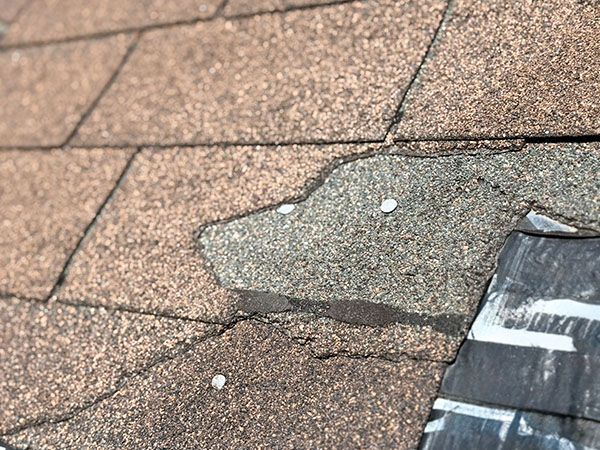
- Roof issues such as damaged or old roof shingles, vent cracks, gutter issues, and unsecured chimney flashing.
Any age roof could have problems that lead to leaks. One major clue that the roof is the source is if the water stain gets bigger during or after major weather events. Wind or hailstorms can damage flashing around the chimney, leading to interior leaks. Likewise, a clogged gutter can back up and overflow, leading to leaks. It's a good idea to inspect your roof at least twice a year to check for any potential damage. If you have a flat roof, which can be prone to pooling water, it's also key to make sure your roof membrane isn't damaged and causing leaks.
If you can't get on top of your roof to check for damage, you can inspect it from the underside in your attic. Check for any visible water damage like damp insulation or rafters. You can also check for daylight shining through any holes by turning the lights out and looking for pinholes of light inside.
We don't always consider that plumbing could be above our heads, but it can be placed in ceilings to allow better access during maintenance or repair leading to water stains on ceilings. If pipes accidentally freeze, they can crack and leak, joints can become loose, or, if you have a bathroom on an upper floor of your house, seals around tubs, sinks, and toilets can leak. Even condensation in bathrooms can be problematic if you don't have enough ventilation in spaces, leading to water stains.
- HVAC issues, such as drip pan overflow or ductwork cracks.
An HVAC system that has a clog or creates too much condensation can result in water stains. Even window-installed air conditioners can create water stains if their drainage tubes become clogged with debris or buildup. Make sure you inspect your HVAC systems regularly, and don't ignore "just a little water" if you spot a small pool.
- Insulation issues, such as inadequate attic insulation.
When the attic spaces don't have enough insulation, it can lead to temperature imbalances and pooling condensation as hot air and cold air meet. You can use McCoy's Insulation Calculator to see if your attic could use a boost.
What To Do After You Find a Water Stain
First, gather supplies, depending on your damaged surface:
- bleach or other cleaners
- stain-blocking primer
- matching paint for the surface
- a paint brush or roller
- drop cloths and eye/breathing protection
- ladder (if needed)
Note: If you need to replace drywall, take a look at our simple steps for repairing it.
To attack the water stain, clean the area with bleach or another anti-microbial cleaner and let it dry completely. One part bleach to three parts water is a good solution for mold/mildew. Spray and wipe away. If you want to avoid bleach, hydrogen peroxide is a good alternative.
Then, apply a base coat of stain-blocking primer. See the range of products at McCoy's and pick the right one for your water stain repair project. Let it dry according to the manufacturer's directions.
Next, add coat(s) of paint over the area. Let it dry according to the instructions and your desired finished appearance.
If you have a textured ceiling, it can take a bit more effort to repair a water stain. You will have to scrape away the water-stained area with a drywall knife and then repeat the steps above. To re-create the texture of the original ceiling, you can use a spray product that can create "orange peel," "knockdown," "popcorn," and other common surface textures.
When to Call a Professional
If your drywall is sagging due to water pooling behind the wall or ceiling or if visible mold is growing around the water stain, you should bring in a professional to assess the damage. Water damage or high heat and humidity could lead to mold growth after just 24-48 hours!
A professional roofer can determine whether you need a quick fix, such as replacing a shingle or the flashing, or if your roof has reached the end of its lifespan. Likewise, a professional plumber can fix issues with your pipes that could be more complex or systemic than a simple piece of tape.
If your "little water stain" becomes a big one, you should consider calling a restoration specialist who can help dry out your home, remove damaged drywall or carpet, and replace any broken infrastructure.
How McCoy's Can Help Turn Back Time on That Water Stain
We'll always have what you need to fix the leak so you can pretend like it never happened. While most building supply stores don't tend to dabble in time travel, here at McCoy's, we're pretty good at turning back the clock, at least when it comes to home repair.