


A Roof Flashing Problem Can Lead to Big Headaches Below
Flashing provides a vital but often overlooked function for your home — starting at the very top. Heavy downpours, wind, and even ice can create opportunities for water to gain entry to your home, but proper flashing choice and installation can prevent that. Here's why and how to know if your home is protected, from top to bottom.
What is Flashing
Flashing is a thin material that seals around any opening (such as chimneys, vents, skylights, etc.) in order to direct water away. Here are common types of flashing, and where they're installed:
- Counter and chimney flashing: Used where vertical components (like chimneys) meet a roof, counter flashing is installed on top of base flashing (a membrane installed before shingles). Counter flashing can be made of aluminum, copper, stainless steel, or synthetic materials like PVC to keep moisture out of masonry in chimneys.
- Step flashing: Not for your stairs! Step flashing is an L-shaped piece of metal (frequently aluminum), placed under each shingle that meets a vertical wall. They're installed in an overlapping design, similar to shingles, to help direct water.
- Apron/headwall flashing: One single piece of curved metal, apron flashing is installed at the base of chimneys or the lower side of dormer windows.
- Valley flashing: When your roof has two slopes that meet, that's a valley. And valley flashing helps to direct water away from that meeting point.
- Gutter flashing: Sometimes called "gutter apron flashing," sits under the starter shingles to direct water from the roof into the gutter.
Learn more about different types of roofing materials.
Why is Flashing Important
Flashing, when properly selected, installed, and maintained, is key to preventing water damage, including mold and rot. Even a small leak, over time, can create a world of trouble if left unchecked.
Roof flashing protects junctions where materials meet, like shingles and masonry, skylights, and vents. It can also help provide structure for increased volume of runoff, like during major downpours and storms.
In addition, flashing adds to the structural integrity of a home, preventing the slow decay from rot and mold on wood.
Roof flashing can even help your home become more energy efficient, reducing your energy bills. By properly sealing air gaps in your home, even up on the roof, you can ensure that hot and cool air stay where you want them inside the house. That way, you don't have to blast the A/C to cool in the summer, or run the furnace too long in the winter to warm up.
How to Inspect Your Flashing for Damage
Inspecting your roof's flashing is a part of basic roof maintenance, and should be completed yearly as well as after major weather events, including windstorms. Read details on how to properly maintain your attic and roof.
Signs of flashing damage can include visible indicators, like cracks, rust, or metal corrosion, or warped flashing, dried or missing sealant, and punctured or missing flashing. They can also include small details that could seem unrelated, like missing nails. Small issues can start on the exterior of a roof, before water makes its presence known inside. If you do see signs of a water leak, especially likely after a heavy storm, on the inside ceilings or walls of your home, make sure to follow the trail all the way up to where the outside elements got inside.
Read more about what water stains are trying to tell you.
Different Flashing Materials
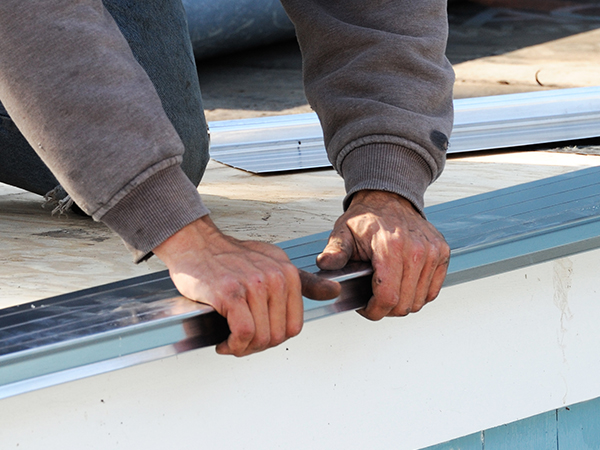
Flashing is typically made of durable materials. Here are some benefits of the three main flashing types:
- Aluminum flashing: Lighter than steel and even easier to bend, aluminum flashing needs a treatment coating when used with masonry, such as flashing set against a chimney.
- Copper flashing: Appealing to look at as it oxidizes and gains a green patina, copper flashing also resists corrosion in coastal environments where salty air is common.
- Steel flashing: Galvanized steel is easy to bend to fit most roofing needs, and is a common choice for its durability and resistance to corrosion.
Flashing Repair and Replacement
If you've completed a roof inspection and found a flashing issue, some problems can be ticked off a weekend To Do list, and some should be left to a professional. Visible leaks inside the home can sometimes be traced back to a problem with damaged, poorly installed, or missing flashing on the roof.
A small fix could include replacing the sealant that has dried out and no longer provides a proper moisture barrier between two materials. Small gaps between flashing where water could get in can be sealed using roofing sealant or caulk. But a large issue, like long-term water damage, could mean you need a new roof, or even remediation for mold or mildew buildup inside the home. Larger issues should be handled by professionals, and you can even call a reputable roofing company for help with regular maintenance if getting up on the roof isn't your favorite task.
Early detection is key to avoiding the most costly repairs, and proper installation and maintenance go hand-in-hand. Left too long, a leak from damaged flashing could even lead to problems in your home's foundation.
Get Help at McCoy's
Flashing is essential in protecting your home, and regular inspection/maintenance is key. The experts at McCoy's can help you pick materials for repairing, replacing, or even designing your first home's roof flashing. With our help, you can rest easy that the raindrops will be falling outside, and not on your head.