


Stuck With a Stripped Screw? Here's What to Do
Here's how to fix a stripped screw (and how to avoid stripping it in the first place).
What does "Stripped" Mean?
When the head of a screw is damaged or worn out, it can be very hard to remove it because your screwdriver can't "grip" the fastener.
How does it happen?
- Using the wrong size bit: A screwdriver head shouldn't be too big or too small for the screw. A mismatch can easily damage the fastener's head.
- Over-tightening: When you over-tighten a screw, you put excess pressure against the head, and since it has nowhere to turn, the screwdriver will spin against the head grooves, damaging them.
- Rust/corrosion/additives: Weather or dampness can damage fasteners, especially those made with iron. Painting over a screw head too much can also lead to damage if the grooves become too shallow.
- Cheap hardware: Avoid stripping by using hardware made from strong materials, not soft metals like aluminum.
- Using power tools with too much force: Whether skipping or over-tightening, misusing power tools can easily wear down the head of a screw, causing it to become stripped.
How to avoid stripping a screw.
Use the right tools and plan your projects.
- Match the correct bit size: The tip of the screwdriver should be the same size and shape as the screw you're working with. Too big or too small a bit, and you'll find the screwdriver will "skip" while you turn it, leading to a stripped screw. Make sure to also use the right-shaped screwdriver for the fastener. Note: There are more than just two shapes of screw heads and bits, some of which are designed for added durability.
- Apply firm pressure while turning: Even pressure from directly above the fastener (not at an angle) is your goal while using your screwdriver. Talk to McCoy's experts about specialty tools, including offset and ratcheting screwdrivers.
- Avoid overtightening: Screws eventually have nowhere to turn, and stripping at the head is almost inevitable.
- Start with penetrating oil on rusted hardware: Penetrating oil is a specialty lubricant that is designed to break down rust, often a major issue with stuck or seized fasteners, like a rusty screw.
- Hand-tighten delicate screws first — before using a drill: Small screws on delicate materials (like computer cases) or those made from soft metals should be hand-tightened or loosened with a manual screwdriver first.
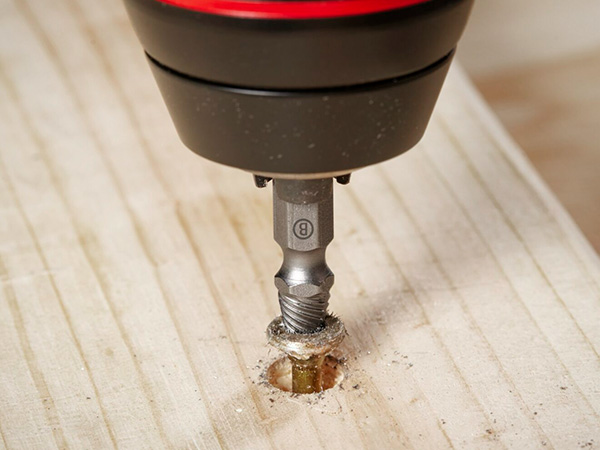
4 Easy Ways to Remove a Stripped Screw
Remove a stripped screw with:
- Option 1: Use a rubber band. Place a wide rubber band over the head of the screw and then insert the screwdriver into the band. Twist, using the additional friction (grip) from the band.
- Option 2: Grip with pliers. If some of the head is above the surface, use a pair of sturdy locking pliers to grab the head. Twist the screw by generating torque with the pliers.
- Option 3: Use a screw extractor. Specialty bits like screw extractors give you extra torque to remove a stuck screw.
- Option 4: Cut a new slot in the head. Use a hammer and chisel (or straight screwdriver) or a rotary tool with a thin cutting disc to cut into the top of the stripped screw head to create a new straight screwdriver slot.
What if the screw breaks?
First, assess what kind of break it is.
- If it's a partially broken head, try one of the above methods to better "grip" the screw and remove it by backing it out of the material.
- If the screw has completely broken and is stuck inside the material, here are some options:
- Option 1: Drill a small shaft next to the screw and use needle-nose pliers to pull it out.
- Option 2: Use a thin drill bit in a drill or rotary tool and carve down into the screw shaft to "drill out" the screw from the material. (Easier to do in lumber or drywall vs. delicate metals or electronics.)
You removed the broken screw. What's next?
Some fixes include:
- Add a longer screw (or wider screw) so that the new fastener has something to "bite" onto inside the original hole.
- Relocate the hole to a different solid portion of your material.
- Use liquid thread repair (typically a two-part epoxy paste) to create a solid slot for the new screw.
- Fill the hole with the appropriate type of filling compound (depending on the material).
What material are you applying to your fastener?
The best fix depends on the material:
- For wood, use a dowel (or even wooden toothpicks) and wood glue to fill a small hole. Or replace a large, damaged section with a new piece of wood.
- On drywall, you can use a hole-filling compound like drywall spackle for small holes or a mesh patch and spackle for medium-sized holes (followed by sanding and painting). For large holes in drywall, consider replacing the section with new drywall.
- With metal, if you cannot fill the hole, add material for the screw to "bite," or create a patch of new metal over the hole.
McCoy's has what you need to help your project succeed (or to help when it doesn't go to plan). If you're just starting your project, or if you've encountered a problem like a stripped screw, the experts at McCoy's are ready to help you get on track.